

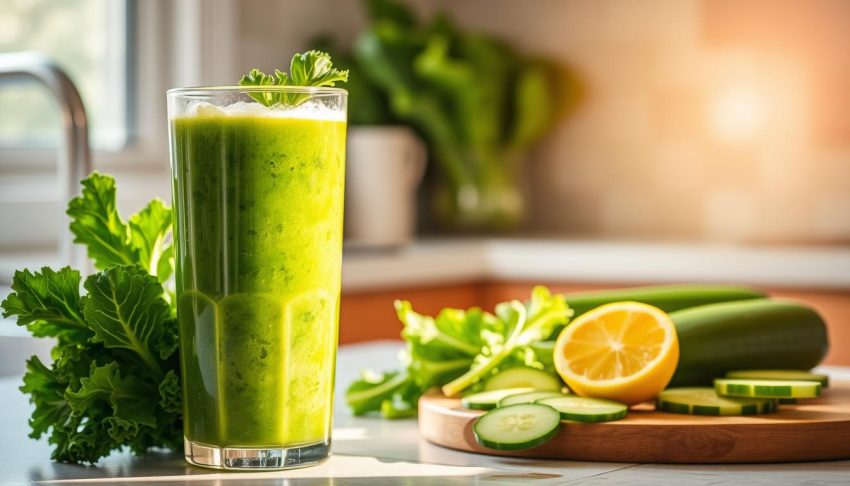
This guide helps you use fresh blends strategically to support your goals while keeping overall health front and center. Juicing can add more fruits and vegetables to your day, which matters because only one in ten U.S. adults meet recommended intake.
Juicing extracts liquid and often removes fiber, so you’ll learn ways to add pulp back or pair a drink with whole foods for fullness. Mixed produce blends can deliver a range of antioxidants that support heart markers like blood pressure and lipids when enjoyed in moderation.
This article breaks down benefits, cautions, tools, and step-by-step frameworks. You’ll find friendly, veggie-forward suggestions, simple recipes featuring celery, cucumber, spinach, apple, citrus, ginger, pineapple, and beets, plus timing, storage, and safety tips.
By the end, you’ll have a flexible template and one ultimate drink to customize for taste, calories, and nutrients so it fits your routine.
Key Takeaways
- Juicing is a convenient way to add produce but usually reduces fiber.
- Lean vegetable-forward blends help control sugars and calories.
- Mixed fruits and vegetables provide varied antioxidants for heart health.
- Pair drinks with whole foods or add pulp for more fullness.
- Practical tips on timing, storage, and safety make juicing easier.
What “juicing” really means and how it supports a healthier body
A juicer turns fruits and vegetables into a nutrient-rich liquid, but it removes the bulk that slows digestion.
Juicing vs. smoothies: fiber differences and why it matters
Juicing separates juice from pulp, concentrating flavor and micronutrients while shedding most of the fiber.
Smoothies blend whole produce, so fiber stays in the drink and helps slow sugar uptake. Without that fiber, sugars can reach the bloodstream faster and impact blood glucose.
How juicers extract vitamins, minerals, and phytonutrients
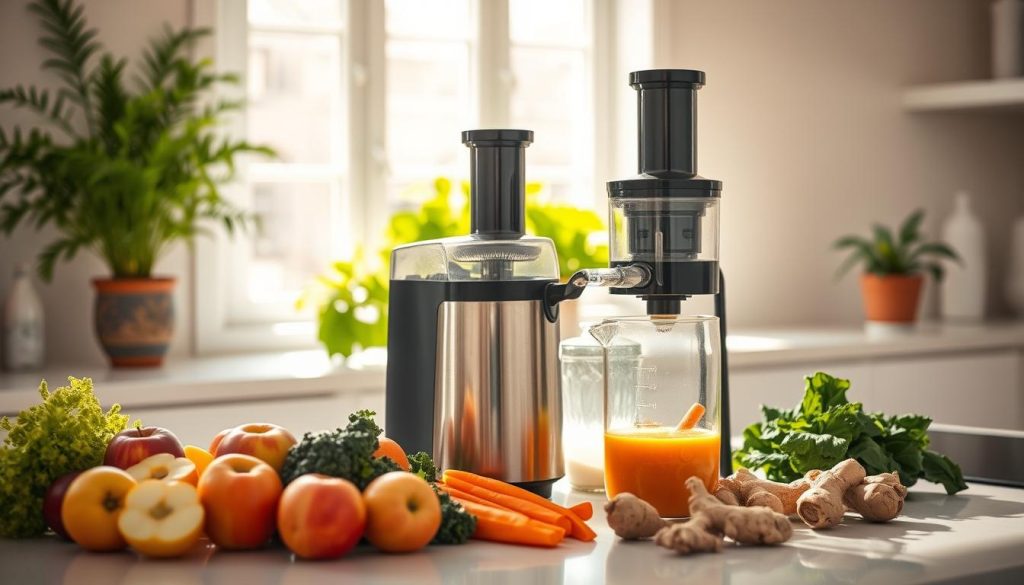
Centrifugal machines shred and spin produce, yielding fast liquid extraction. Masticating units crush and press slowly, often preserving more heat-sensitive nutrients.
Mixing different fruits and vegetables can broaden the antioxidant mix. Reviews link varied blends to modest cardiovascular benefits, like improved blood pressure and lipid markers.
- Rule of thumb: build mostly vegetables, add a bit of fruit for taste, and add back a spoonful of pulp for fiber.
- Use 100% fruit juices in moderation within a sensible diet; veggie-forward drinks lower added sugar and calories.
- Juicing can help busy people meet produce goals but should complement whole foods, not replace them.
Weight management benefits backed by science
Concentrated blends can deliver many vitamins and minerals in a small glass, making them an efficient way to boost nutrient intake.
Micronutrient density: Fruit and vegetable blends often supply vitamins and minerals at levels similar to whole produce, but with less fiber. That makes them useful when you need a quick nutrient hit while keeping added sugars out of your diet.
Cardiovascular support and performance
Reviews show mixed fruit and vegetable drinks may lower blood pressure and improve lipid profiles, likely from antioxidants and polyphenols.
Beetroot stands out: dietary nitrates in beetroot can help exercise performance and recovery and may support heart health when used around training days.
Why veggie-forward blends help control calories and sugar
Vegetable-heavy blends tend to be lower in sugar and calories than fruit-only options. That makes them a practical way to support a calorie deficit and still enjoy flavorful drinks.
- Kale + cucumber + celery with a half apple or a slice of citrus gives vitamins without a big sugar spike.
- Prune juice is an exception; an 8 oz serving contains meaningful fiber (~3 g).
- Keep servings moderate and pair drinks with protein or whole food for steady blood glucose control.
Bottom line: Used sensibly, concentrated produce blends can boost nutrient density and support heart markers while helping you lose weight in a sustainable way.
Smart cautions: fiber loss, blood sugar spikes, and balanced diets
Before you sip, know that removing pulp from a fresh drink changes how it fills you and how fast sugars enter the bloodstream.
Managing fiber: add pulp back and pair with whole foods
When pulp is discarded, the natural fiber that slows digestion goes too. That can cut satiety and make sugars absorb quicker, raising blood glucose risk if portions or fruit content are high.
Simple fixes work well. Stir a spoonful of pulp into the glass, or enjoy the drink with a protein-rich snack like Greek yogurt or eggs.
Pairing the drink with high-fiber foods—nuts, whole-grain toast, or raw veggies—helps blunt glucose rises and keeps energy steadier.
Why juice-only cleanses aren’t recommended
Short-term fasts based only on liquid are very low in calories and lack essential macronutrients such as protein and healthy fats. Reviews do not prove lasting benefits from cleanses.
They can be hard to sustain, may cause energy dips, and increase the chance of rebound eating. For long-term health, a varied diet with whole foods is the foundation.
- Use blends as a side or snack, not a meal replacement.
- Choose mostly vegetables and limit fruit to moderate total sugar.
- Sip slowly and keep servings mindful to enjoy flavor without overloading the system.
Takeaway: Treat concentrated produce as a helpful way to add nutrients, but protect fullness and blood glucose by keeping fiber in the plan and pairing liquids with whole foods for balanced health.
Essential tools and ingredients for juicing at home
Start with smart tools and go-to produce to turn kitchen time into quick, nutrient-rich sips.
Choosing a juicer and prepping produce efficiently
Centrifugal models are fast and budget-friendly. They work well for hard fruits and vegetables and for quick mornings.
Masticating units take longer but extract more from leafy greens and herbs. They also often yield smoother results.
Prep tips save time: wash produce in batches, peel citrus to avoid bitter pith, and chop items to fit the chute. Group ingredients the night before for easy mornings.
Go-to ingredients for consistent results
Use high-water bases like cucumber and celery to boost yield and hydration while keeping calories low.
Spinach adds vitamins A and K and iron. Add a small apple or a squeeze of citrus for brightness without too much sugar.
- Blend dry items such as ginger with watery produce to improve extraction and flavor.
- Pineapple offers tropical flavor and manganese; measure it to control sweetness.
- Choose seasonal produce and organic for thin-skinned items when possible.
“Keep a simple juice basket stocked with celery, cucumber, spinach, apple, lemon, and fresh ginger to make daily blends effortless.”
Clean gear promptly to keep performance and food safety top-notch. Consume fresh-pressed drinks within 24 hours refrigerated for best nutrients and flavor.
How to build a balanced weight loss juice recipe
Build a balanced glass by starting with watery vegetables, then layer in a small amount of fruit and a bold flavor booster. This approach keeps calories and sugar lower while keeping nutrients high.
Veggie base, fruit for sweetness, and flavor boosters
Start with cucumber, celery, and spinach to maximize hydration and micronutrients. Add half an apple or a small wedge of orange for natural sweetness.
Lift the profile with fresh ginger, lemon, or herbs like mint. These flavor wins mean you need less fruit to achieve pleasant taste.
Portion sizes, calories, and adjusting sweetness naturally
Keep servings to about 8–12 ounces per serving to control calories and satiety. Stir a spoonful of pulp back into the glass to restore fiber and slow sugar absorption.
- Choose tart apples or more lemon to cut sweetness without losing balance.
- Mix dry items, like ginger, with watery bases for better extraction.
- Pair the drink with protein or healthy fats to steady appetite and energy.
“Veggie-forward blends and mindful portions help you lose weight steadily while enjoying varied fruits vegetables.”
Green Detox Celery Juice for a crisp, low-calorie start
A simple, verdant drink can supply key micronutrients while staying low in calories. Build this blend around celery and cucumber with leafy greens such as spinach or arugula and a bright squeeze of lemon.
The mix is light but rich in vitamins and minerals: spinach adds vitamin K, green apple supplies vitamin C, and celery brings folate and potassium. That makes it a smart morning option for overall health.
- Optional: a small piece of green apple for tart sweetness without extra sugar.
- Prep tip: peel lemon to avoid bitterness; juice greens with watery cucumber for better extraction.
- Serving: aim for about a 10-ounce serving to keep calories modest.
Enjoy chilled and freshly made. If you must store, refrigerate in an airtight container and drink within 24 hours for best flavor and nutrient retention. This clean, herbaceous cup pairs well with a protein-rich breakfast to help you stay satisfied longer.
Carrot and Fresh Ginger Juice for antioxidants and zing
Bright orange carrots and a sliver of fresh ginger make a lively, nutrient-packed drink that wakes the palate. This blend pairs carrots, ginger, and lemon for a warming kick and a smooth, naturally sweet finish.
Carrots supply carotenoids, which the body converts to vitamin A to support vision and immune function. That matters for daily eye health and overall defense against common germs.
Ginger may ease occasional bloating and adds antioxidant compounds that help counter everyday oxidative stress. Add a small apple or an orange wedge for extra sweetness while keeping sugars moderate.
- Serving: Keep to about 8–10 ounces chilled for peak flavor and satisfaction.
- Order: Juice carrots first, then ginger and lemon; strain for a smoother texture if you prefer little pulp.
- Pairing: Enjoy with a handful of nuts or a yogurt cup to balance carbs and protein.
“This energizing glass is a great midday pick-me-up thanks to its zingy flavor and simple carb content.”
Apple, Kale, and Cucumber Juice for vitamins and minerals
A crisp green blend centered on kale, cucumber, and apple gives a nutrient punch with a clean, refreshing flavor. This mix highlights vitamins and minerals while staying light in calories.
Kale is nutrient-dense and low in calories. As a cruciferous vegetable, it supports immune function and healthy blood pressure through its vitamins and phytonutrients.
Cucumber adds hydration plus vitamin K, vitamin C, and potassium. A single small apple supplies a gentle sweetness without overwhelming sugars.
For better extraction, juice leafy kale between cucumber slices. Add a stalk of celery for extra minerals and a cleaner mouthfeel.
- Use one small apple to keep fruit modest and fiber moderate.
- Juice kale with watery bases to limit waste and improve yield.
- Garnish with a lemon twist or fresh mint and sip slowly to enjoy layered flavors.
“A green glass like this balances nutrients and taste for an easy way to boost daily fruits vegetables intake.”
Beetroot and Berry Blast for heart health and workout recovery
A deep-red beet and berry blend delivers bold flavor while supporting circulation and recovery.
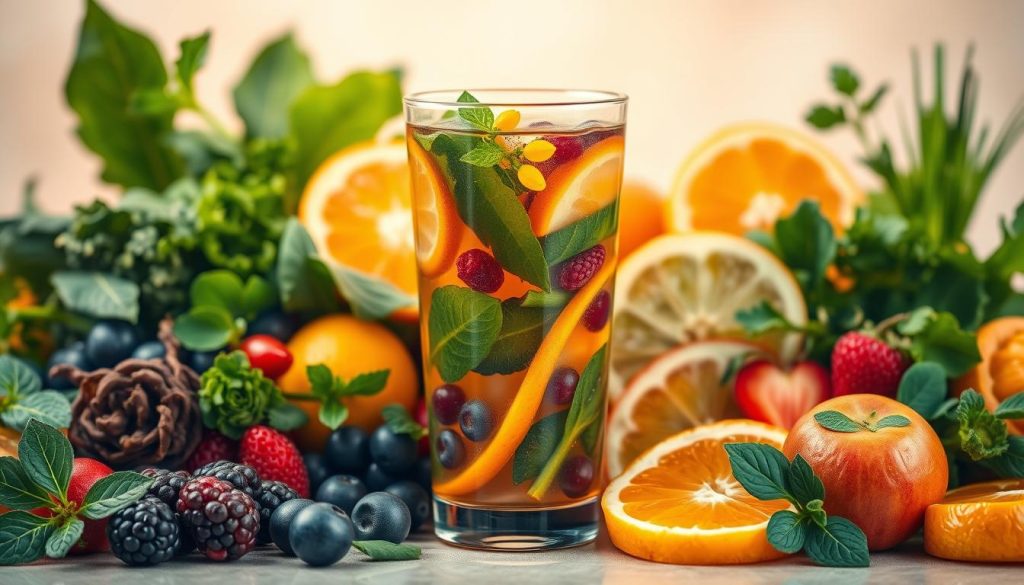
This mix pairs beetroot with strawberries and raspberries for a glass rich in nitrates and antioxidants. Nitrates in beetroot may help blood flow and support athletic performance and faster recovery.
Berries add antioxidants that help manage blood sugar response compared with many fruit juices. Measure fruit portions to keep calories modest and rely on beet’s earthiness and lemon’s acidity for balance.
- Deep-red blend: beetroot + strawberries + raspberries for antioxidants and vivid color.
- Performance benefit: nitrates may improve circulation and reduce muscle soreness.
- Keep calories down: portion fruit, add lemon, and use a small knob of ginger for spice.
- Serving tip: chill and serve about a 10–12 ounce glass with a protein-rich snack for recovery.
“Rotate berries and beet portions across the week for variety and to match training days.”
Citrus and Celery Juice to support immunity and metabolism
A simple blend of orange, celery, and cucumber gives a sunny glass that supports daily nutrient goals. Oranges supply vitamin C, a powerful antioxidant that helps the immune system and counters free radicals from daily exposure.
Celery brings vitamin K, folate, and potassium. These minerals make this a low-calorie, mineral-rich option to add to a balanced diet.
Keep sugars low by using a single orange and letting celery and cucumber carry most of the volume. That keeps calories modest and helps steady blood sugar when paired with protein.
- Try it over ice with a citrus twist and finish within 24 hours refrigerated for best flavor and nutrients.
- Pair a serving with a protein-forward breakfast or lunch to support metabolism and steady energy.
- Rotate citrus—tangerine or grapefruit—for variety, but note grapefruit can interact with some medications.
“A bright, veggie-forward glass like this adds vitamins and antioxidants without excess sugars.”
Pineapple and Spinach Juice for sweetness with nutrients
This tropical-green blend pairs bright pineapple with leafy spinach for an easy, approachable drink.
Why it works: spinach supplies vitamin K, vitamin A, and folate, while pineapple delivers manganese to support bone formation, metabolism, and immune function. The combo feels sweet without relying on lots of fruit.
Try this example: pineapple chunks, a generous handful of spinach, half an apple, and a squeeze of lemon. Consume chilled for best flavor.
- Keep sugars reasonable by measuring pineapple portions and using a half apple or lemon to brighten the profile.
- Serving tip: aim for about an 8–10 ounce serving as a snack or a small side with a protein-rich meal to help fullness.
- Extraction hack: juice spinach between pineapple and cucumber (if used) to increase yield and improve texture.
Flavor tweaks: add fresh mint for a cooler finish or a small piece of ginger for gentle spice.
Storage: enjoy immediately when possible, or refrigerate in a sealed jar and drink within 24 hours.
Watermelon Mint Refresher for hydration with fewer calories
Watermelon, cucumber, mint, and lime make a crisp, cooling blend that’s ultra-hydrating and naturally sweet without heavy calories.
One typical serving of this drink contains about 10 g of sugar versus roughly 40 g in many sugar-sweetened sodas. That makes it a lighter way to satisfy a sweet craving while still enjoying real fruits.
Watermelon adds potassium to support hydration. Mint contributes a refreshing aroma and antioxidant essential oils that lift flavor and offer subtle health benefits.
- Best as an afternoon pick-me-up or a post-walk refresher that fits weight-conscious goals.
- Adjust perceived sweetness with more lime or a few ice cubes to highlight mint.
- Keep a modest serving and pair it with a handful of seeds or nuts to add protein and satiety.
“Cube watermelon ahead and chill for fast weekday prep.”
Quick tip: juice or blend watermelon with cucumber for extra hydration, then finish with mint and lime for bright balance.
At-home V8-style vegetable juice for savory satisfaction
A savory, vegetable-forward blend makes a satisfying glass that feels more like a mini-meal than a snack. This is a great way to enjoy more vegetables and keep sugars low while still savoring bold flavors.
Core ingredients and simple method
Build the mix with ripe tomatoes, red and yellow bell peppers, carrot, zucchini, and celery or cucumber. Add fresh herbs—basil or parsley—and a pinch of salt to highlight savory notes.
For better nutrient uptake, stir in a dash of olive oil; it helps absorb fat-soluble vitamins with minimal added calories.
- Method: wash and chop to fit the chute, then juice soft items first and alternate with harder ones for even extraction.
- Add a small knob of ginger or a handful of spinach to boost phytonutrients and complexity.
- Stir a spoonful of pulp back into the cup to restore fiber and body for more staying power.
Serve over ice with a celery stick and a crack of black pepper for a brunch-friendly, low-sugar alternative to sweet drinks. Rotate vegetables through the week to keep flavors fresh and your produce intake varied.
“A savory glass like this can make it easier to meet fruits vegetables goals without extra sugars.”
Best times to drink juice for weight goals
Timing your fresh glass can change how it affects appetite, energy, and blood glucose through the day. Choose moments that match your routine so benefits last and the habit sticks.
With meals vs. as a snack: balancing blood sugar
Having a small glass with a protein- and fiber-rich meal slows sugar uptake and boosts fullness. Add pulp back or pair the drink with eggs, yogurt, or whole-grain toast to steady blood glucose.
Drinking between meals can curb cravings if portions stay modest. Aim for an 8–10 ounce serving made mostly from vegetables and a bit of fruit to keep calories in check.
Pre- and post-workout timing for performance and recovery
About 60–90 minutes before exercise, a beetroot-forward glass may help performance thanks to dietary nitrates. After training, pair a modest serving with protein to aid recovery and rehydrate without excess sugars.
“Prep ingredients the night before—chopped produce and chilled containers make smart choices easy on busy mornings.”
- Prep ahead to save time.
- Choose consistency over perfection—pick times that fit your schedule.
- Use veggie-forward blends for steady energy and better control of calories and appetite.
Storage, serving, and food safety tips
Fresh-pressed glasses taste best immediately, but simple steps extend flavor and nutrients when you need convenience. Refrigerate quickly and store in an airtight glass container to preserve quality for up to 24 hours.
How long fresh juice lasts and the best way to refrigerate
Separation is normal—gently shake before pour. If you plan to store, label bottles with the date and time pressed so you know when to drink for peak benefits.
- Keep it cold: refrigerate immediately and use within 24 hours.
- Add texture: stir in a spoonful of pulp to boost fiber and mouthfeel.
- Smaller batches: make less often to protect aroma and delicate nutrients.
- Prep trick: pair dry ingredients like ginger with high-water produce to improve extraction.
Serving ideas: over ice, citrus squeeze, or herb garnish
Serve over ice for a crisp finish, or add a squeeze of lemon or lime to brighten flavors without extra sugar. A sprig of mint or parsley lifts aroma and looks fresh.
Food safety: wash produce thoroughly, scrub root vegetables, and clean gear promptly after use to avoid residue buildup. These steps protect taste, health, and quality so each glass is safe and enjoyable.
Common juicing mistakes that stall weight loss
Common mistakes in blending fresh produce can quietly slow your progress and leave you hungrier than expected.
Paying attention to portions, composition, and timing makes a big difference. Small changes protect your appetite and steady energy throughout the day.
Too much fruit, skipped protein, and oversized servings
- Fruit overload: Heavy fruit mixes raise sugar and calories and reduce the real benefits of a veggie-forward glass.
- No protein: Sipping without a protein source often leaves you hungry sooner and increases the chance of overeating later.
- Big portions: Oversized servings add up fast—aim for about 8–12 ounces to keep balance.
- Bottled traps: Many store-bought drinks are calorie-dense and may contain added sugars; homemade, vegetable-led blends give more control.
- Low fiber risk: Drinks without pulp can cause blood sugar spikes. Stir a spoonful of pulp back in or pair the glass with fiber-rich foods.
“Treat a fresh glass as a supplement to a balanced eating pattern—vegetables, lean proteins, whole grains, and healthy fats.”
The ultimate weight loss juice recipe
Choose a vegetable-led mix that highlights greens and a small fruit touch for flavor and steady energy. This approach keeps calories and sugar modest while delivering key vitamin benefits and other nutrients.
Base ingredients (yields ~10 oz serving):
- 1 cup spinach
- 1 celery stalk
- 1/2 large cucumber
- 1/2 green apple
- 1/2 cup pineapple
- 1/2 inch fresh ginger
- 1/4 lemon, peeled
Quick steps
- Wash and prep produce.
- Juice cucumber and celery first, then sandwich spinach between watery items for better yield.
- Add apple, pineapple, ginger, and lemon; stir and serve over ice.
Why it works: The blend is veggie-forward to limit sugars. Spinach supplies vitamin K and folate, pineapple adds manganese and sweetness, and ginger brings aroma and digestive support.
Swap options
- Replace pineapple with orange segments or extra cucumber to cut sugar.
- Swap spinach for kale or romaine to vary vitamins and texture.
- Use pear or a smaller apple for a milder fruit note.
Portion guide: aim for about a 10-ounce serving. Stir a spoonful of pulp back in to boost fiber and staying power. Pair this glass with eggs, cottage cheese, or Greek yogurt for added protein and lasting fullness.
“Rotate greens and fruit accents through the week to expand nutrient variety without adding extra calories.”
Conclusion
Small, consistent changes—like a green glass alongside protein—can add vitamins and nutrients to your routine.
Juice can be a flavorful, convenient way to add more fruits and vegetables. Mixed blends offer real benefits and other health benefits tied to heart markers when used sensibly.
Keep the approach veggie-forward, limit fruit, and pair drinks with whole foods rather than using them as a standalone diet. Stir pulp back in for fiber, manage portions, and time servings with meals or workouts to fit your day.
Make drinks fresh whenever possible and store them cold for no more than 24 hours. Use the ultimate blueprint in this guide to mix flavors you enjoy and to lose weight in a steady, sustainable way.
Pick one recipe and try it today—tailor the flavors, keep it simple, and build a habit that supports a healthier body.