

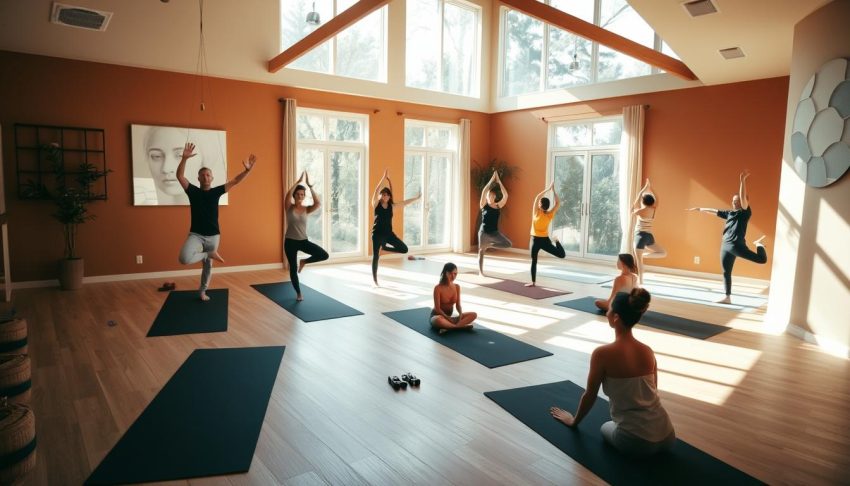
In today’s fast-paced world, maintaining physical and mental well-being is more crucial than ever. Practices like yoga and meditation have been widely recognized for their numerous benefits, ranging from yoga benefits such as flexibility and strength, to meditation benefits like reduced stress and improved mental clarity.
By incorporating these practices into daily life, individuals can experience significant improvements in both physical health and mental health. Regular practice can lead to a more balanced lifestyle, enhancing overall wellness.
Key Takeaways
- Yoga and meditation offer numerous benefits for overall wellness.
- Regular practice can improve physical flexibility and strength.
- Meditation can reduce stress and enhance mental clarity.
- Incorporating these practices can lead to a more balanced lifestyle.
- Improved physical and mental health can result from consistent practice.
The Ancient Practices of Yoga and Meditation
The history of yoga and meditation is a rich tapestry woven from various cultural and traditional influences. These ancient practices have evolved significantly over time, shaped by the philosophies and spiritual practices of different civilizations.
Origins and Evolution of Yoga
Yoga originated in ancient India over 5,000 years ago, with its roots in Hinduism and the Vedas. The practice was initially focused on spiritual growth and development, with physical postures being just one aspect of a broader system that included breathing techniques, meditation, and ethical living. Over time, yoga evolved and branched out into various styles, such as Hatha, Vinyasa, and Ashtanga, each with its unique focus and techniques.
The evolution of yoga was influenced by various Indian sages and yogis, who contributed to its development. Key figures like Patanjali, who compiled the Yoga Sutras, played a crucial role in shaping yoga’s philosophical foundation.
The History of Meditation Across Cultures
Meditation has been practiced across cultures and civilizations, with evidence of its use found in ancient cultures such as Egypt, Greece, and China. Meditation practices varied widely, from the contemplative practices of early Christianity to the Zen meditation of Buddhism. Despite these differences, the core aim of meditation remained consistent: to cultivate mindfulness, inner peace, and spiritual growth.
- Meditation was used in ancient cultures for spiritual and healing purposes.
- Different cultures developed unique meditation practices based on their philosophical and religious beliefs.
- The practice of meditation has been adapted and integrated into various modern wellness and therapeutic approaches.
In conclusion, the history of yoga and meditation is a testament to the enduring power of these practices to transform and enrich human life. Understanding their origins and evolution can deepen our appreciation for these practices and their continued relevance in modern times.
How Yoga and Meditation Improve Physical and Mental Health
By integrating yoga and meditation into daily life, individuals can experience profound benefits to their physical and mental health. The synergy between these practices fosters a holistic approach to wellness.
The Mind-Body Connection
The mind-body connection is a fundamental concept in understanding how yoga and meditation improve health. Yoga combines physical postures, breathing techniques, and meditation to create a balanced state of being. This integration enhances the body’s ability to heal and adapt, while also calming the mind.
Research has shown that the mind-body connection plays a crucial role in overall health. For instance, studies have found that yoga can reduce stress and anxiety by promoting relaxation and improving mood. Meditation further enhances this effect by training the mind to focus and remain present.
Complementary Nature of These Practices
Yoga and meditation are complementary practices that work together to enhance physical and mental health. While yoga focuses on physical postures and breathing, meditation emphasizes mental clarity and focus. Together, they create a powerful synergy that promotes overall wellness.
- Improved physical flexibility and strength through yoga
- Enhanced mental clarity and focus through meditation
- Reduced stress and anxiety through the combined practice of yoga and meditation
“The mind is everything; what you think, you become.” – Buddha
This quote highlights the importance of mental clarity and focus, which are key benefits of meditation. By combining yoga and meditation, individuals can achieve a balanced state of physical and mental well-being.
Physical Benefits of Regular Yoga Practice
The practice of yoga is associated with various physical benefits, from improved flexibility to enhanced cardiovascular health. Regular yoga practice can lead to a significant improvement in overall physical wellbeing.
Improved Flexibility and Strength
One of the most noticeable benefits of yoga is the improvement in flexibility. Through various poses and stretches, yoga helps to increase range of motion and reduce stiffness. Additionally, yoga contributes to building strength, particularly in the core and other muscle groups.
Progressive Development of Muscle Tone
As yoga practice progresses, it can lead to the development of muscle tone. This is achieved through holding poses that require engagement of different muscle groups, thereby enhancing muscular endurance and strength.
Enhanced Balance and Posture
Yoga also improves balance and posture by strengthening the muscles that support the spine and enhancing proprioception (the ability to sense the position of one’s body). Regular practice can lead to better alignment and reduced risk of back pain.
Better Respiratory and Cardiovascular Health
Furthermore, yoga has been shown to improve respiratory and cardiovascular health. Techniques such as deep breathing can enhance lung capacity and efficiency, while the physical aspects of yoga can help lower blood pressure and improve circulation.
By incorporating yoga into your routine, you can experience these physical benefits firsthand, leading to an overall improvement in health and wellbeing.
Mental and Emotional Benefits of Yoga
The mental and emotional benefits of yoga are multifaceted, ranging from stress reduction to enhanced focus. By incorporating yoga into your daily routine, you can experience these benefits firsthand, leading to a more balanced and fulfilling life.
Stress Reduction and Relaxation
Yoga is renowned for its ability to reduce stress and promote relaxation. Through various techniques such as deep breathing, meditation, and gentle stretches, yoga helps calm the mind and body. Regular practice can lead to a decrease in cortisol levels, the hormone associated with stress, thereby enhancing overall well-being.
Improved Focus and Concentration
Regular yoga practice can also improve focus and concentration. By training the mind to stay present and aware, yoga enhances cognitive functions. This improvement in mental clarity can benefit various aspects of life, from work performance to personal relationships.
Emotional Regulation and Resilience
Yoga plays a significant role in emotional regulation and building resilience. It helps individuals become more aware of their emotions and thoughts, making it easier to manage stress and anxiety. Through yoga, one can develop a more positive outlook and greater emotional stability.
Building Emotional Intelligence Through Yoga
Yoga contributes to building emotional intelligence by increasing self-awareness and empathy. It encourages a deeper understanding of oneself and others, fostering healthier relationships and a more compassionate attitude towards life.
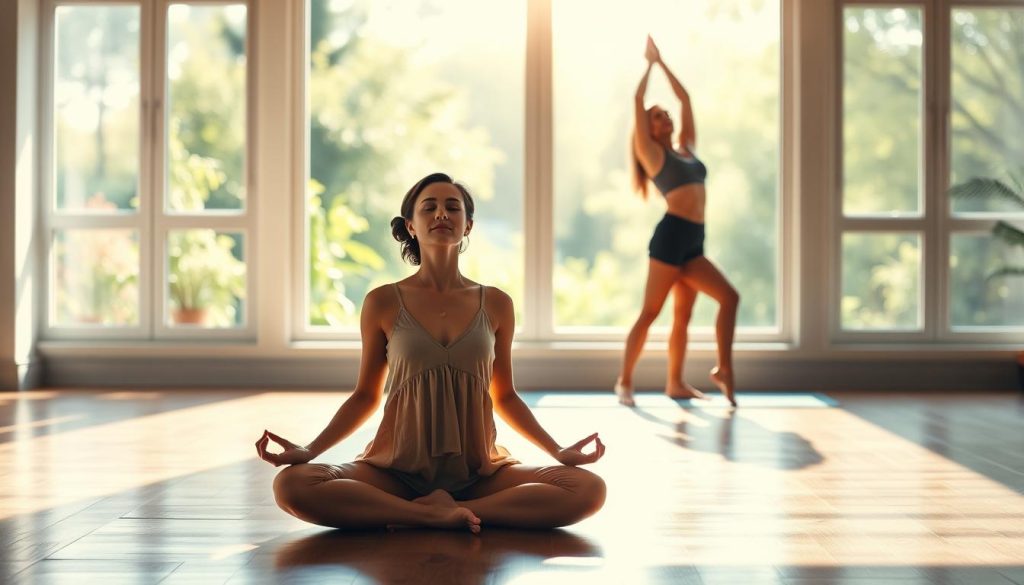
Some of the key benefits of yoga for mental and emotional well-being include:
- Reduced stress and anxiety
- Improved mood and emotional regulation
- Enhanced focus and concentration
- Increased self-awareness and emotional intelligence
By embracing yoga, individuals can cultivate a more resilient and positive mindset, leading to improved overall health.
Physical Health Improvements Through Meditation
By incorporating meditation into their daily routine, individuals can experience a range of physical health benefits that contribute to overall wellness. Meditation has been shown to have a positive impact on various aspects of physical health, from cardiovascular health to pain management.
Lowered Blood Pressure and Heart Rate
Regular meditation practice has been linked to lowered blood pressure and heart rate, both of which are indicators of good cardiovascular health. Studies have demonstrated that meditation can help reduce systolic and diastolic blood pressure, reducing the risk of heart disease. A lower heart rate is also associated with a reduced risk of cardiovascular events.
Reduced Inflammation and Pain Management
Meditation has anti-inflammatory effects, which can be beneficial for individuals suffering from chronic pain conditions. By reducing inflammation, meditation can help alleviate pain and improve quality of life. Key benefits include:
- Reduced chronic pain symptoms
- Improved mood and reduced stress
- Enhanced overall well-being
Meditation for Chronic Pain Conditions
For individuals living with chronic pain, meditation offers a valuable tool for managing symptoms. By focusing on the present moment and reducing stress, meditation can help individuals cope with chronic pain more effectively. Mindfulness meditation, in particular, has been shown to be beneficial for chronic pain management.
In conclusion, incorporating meditation into one’s daily routine can lead to significant physical health improvements, including lowered blood pressure, reduced inflammation, and better pain management. By making meditation a regular practice, individuals can take a proactive approach to enhancing their overall physical health and well-being.
Mental Health Benefits of Regular Meditation
Incorporating meditation into daily life can lead to substantial mental health benefits. Regular meditation practice has been shown to positively impact both mental and emotional wellbeing.
Anxiety and Depression Management
Meditation is increasingly recognized for its role in managing anxiety and depression. By promoting relaxation and reducing stress, meditation can help alleviate symptoms associated with these conditions. Regular practice can lead to improved emotional regulation, making it easier to manage anxiety and depression.
Enhanced Self-Awareness and Mindfulness
Meditation enhances self-awareness by encouraging individuals to focus on the present moment. This increased mindfulness can lead to a better understanding of oneself and one’s emotions, promoting emotional intelligence and wellbeing.
Improved Sleep Quality
Regular meditation can also improve sleep quality. By reducing stress and promoting relaxation, meditation can help individuals achieve a more restful night’s sleep.
Bedtime Meditation Techniques
Incorporating bedtime meditation techniques into your nightly routine can further enhance sleep quality. Simple practices, such as focusing on the breath or a calming mantra, can help signal to the body that it’s time to sleep.
Getting Started with Yoga: Styles and Approaches
Starting a yoga practice can seem daunting, but understanding the different styles and approaches can help you get started on the right foot. With numerous yoga styles to choose from, it’s essential to explore your options and find a practice that suits your lifestyle and goals.
Finding the Right Yoga Style for Your Needs
Yoga encompasses a broad range of practices, each with its unique focus and benefits. Whether you’re looking for a physically demanding practice or a more meditative approach, there’s a yoga style to suit your needs.
Popular Yoga Styles for Beginners
For those new to yoga, styles like Hatha, Vinyasa, and Yin Yoga are excellent starting points. Hatha yoga focuses on physical postures and breathing techniques, while Vinyasa yoga links movement with breath, offering a more dynamic practice. Yin Yoga targets the deeper tissues of the body, promoting flexibility and relaxation.
Essential Equipment and Space Requirements
One of the best things about yoga is that it requires minimal equipment. A good-quality yoga mat is essential, providing grip and cushioning. You may also find yoga blocks, straps, and blankets helpful, especially as a beginner. In terms of space, a quiet, clean, and distraction-free area is ideal. Ensure there’s enough room to move freely in all directions.
Basic Poses for Beginners
Starting with simple poses can help you build a strong foundation. Poses like Mountain Pose (Tadasana), Downward-Facing Dog (Adho Mukha Svanasana), and Child’s Pose (Balasana) are excellent for beginners. These poses help improve flexibility, strength, and balance, while also promoting relaxation and focus.
By understanding the different yoga styles, preparing your space, and starting with basic poses, you can create a fulfilling and sustainable yoga practice that enhances your physical, mental, and emotional well-being.
Meditation Techniques for Beginners
For individuals new to meditation, understanding the various techniques available is crucial for establishing a consistent practice. Meditation is not a one-size-fits-all activity; it encompasses a range of methods tailored to different needs and preferences.
Mindfulness Meditation
Mindfulness meditation is a powerful technique that involves focusing on the present moment, often through attention to breath, body sensations, or emotions. This practice helps in cultivating a non-judgmental awareness of the current state, reducing stress and enhancing emotional regulation.
- Begin by finding a quiet and comfortable spot to sit.
- Focus on your breath, noticing its sensation, duration, and the feeling of the air moving in and out.
- Gently acknowledge any distractions and return to your breath without judgment.
Guided Meditation Resources
Guided meditation is another accessible method, especially for beginners. It involves following a guide who leads you through a meditation practice, often with a specific theme or goal, such as relaxation or focus enhancement.
There are numerous resources available for guided meditation, including:
- Mobile apps like Headspace and Calm.
- Online videos and podcasts.
- Local meditation classes or workshops.
Creating a Sustainable Meditation Practice
Establishing a regular meditation practice is key to experiencing its benefits. To make meditation a habit:
- Start with short sessions (5-10 minutes) and gradually increase the duration.
- Choose a consistent time and place for your practice.
- Be patient and persistent, as the benefits of meditation unfold over time.
Using Apps and Technology to Support Your Practice
Technology can be a valuable ally in maintaining a meditation practice. Apps can offer guided sessions, track progress, and provide reminders. Some popular meditation apps include Headspace and Calm, which offer a variety of sessions tailored to different needs and experience levels.
Common Challenges and Misconceptions
Despite the growing popularity of yoga and meditation, several common challenges and misconceptions persist. Many people are drawn to these practices for their physical and mental health benefits, but they often encounter initial obstacles that can deter them from continuing.
One of the primary misconceptions is that yoga is only for the flexible. However, yoga is a practice that can be adapted to various levels of flexibility and mobility. It’s not about being flexible; it’s about improving your flexibility and overall well-being.
“I’m Not Flexible Enough for Yoga”
This misconception can be addressed by understanding that yoga is not a one-size-fits-all practice. There are numerous styles, such as Hatha, Yin, and Restorative yoga, that cater to different needs and abilities. For instance, beginners can start with gentle flows and gradually move to more challenging poses as they become more comfortable.
“I Can’t Clear My Mind for Meditation”
Many believe that meditation requires completely clearing the mind, which can be daunting. In reality, meditation is about observing your thoughts without judgment and gently bringing your focus back to your chosen meditation object, such as the breath. It’s a skill that develops over time with consistent practice.
Overcoming Time and Consistency Barriers
Finding time and maintaining consistency are common challenges. To overcome these, it’s helpful to start small. Even a few minutes of yoga or meditation each day can be beneficial. Consistency is key, and incorporating these practices into your daily routine can have a significant impact on your overall health.
By understanding and addressing these common challenges and misconceptions, individuals can more easily integrate yoga and meditation into their lives, reaping the numerous benefits these practices have to offer.
- Start with short sessions to build habit.
- Explore different styles to find what suits you best.
- Be patient with yourself as you develop your practice.
Scientific Research Supporting Yoga and Meditation Benefits
A growing body of scientific research supports the numerous benefits of practicing yoga and meditation. These practices have been studied extensively in recent years, and the evidence is mounting in favor of their positive impact on both physical and mental health.
Recent Studies on Physical Health Outcomes
Recent studies have highlighted the physical health benefits of yoga and meditation. For instance, research has shown that regular yoga practice can lead to improved flexibility and strength, as well as better balance and posture. Meditation has also been linked to lowered blood pressure and heart rate, contributing to overall cardiovascular health. A study published in the Journal of the American Osteopathic Association found that yoga can reduce symptoms of chronic pain and improve function in individuals with chronic low back pain.
Research on Mental Health and Cognitive Benefits
In addition to physical health benefits, yoga and meditation have been found to have a positive impact on mental health and cognitive function. Studies have shown that these practices can reduce symptoms of anxiety and depression, improve mood, and enhance cognitive function, including attention and memory. Research published in the Journal of Alzheimer’s Disease found that meditation can lead to improved cognitive function in older adults, potentially reducing the risk of age-related cognitive decline.
Overall, the scientific evidence supports the integration of yoga and meditation into one’s lifestyle for improved health and well-being.
Conclusion: Embracing Yoga and Meditation for Lifelong Wellness
As we’ve explored throughout this article, yoga and meditation offer a wealth of benefits for both physical and mental health. By incorporating these practices into daily life, individuals can experience improved flexibility, balance, and strength, as well as reduced stress, anxiety, and depression.
Embracing yoga and meditation can lead to a transformative journey towards lifelong wellness. By committing to regular practice, individuals can cultivate greater self-awareness, emotional regulation, and resilience, ultimately enhancing overall well-being.
As you consider embracing yoga and meditation, remember that the key is to start small and be consistent. Begin with simple poses and meditation techniques, and gradually build your practice over time. With patience and dedication, you can unlock the many rewards of these ancient practices and enjoy a healthier, happier life.