

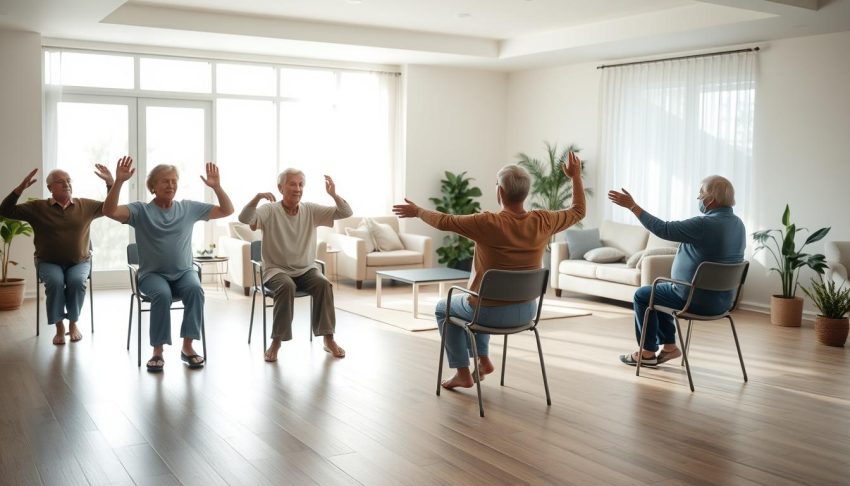
As we age, maintaining physical activity becomes crucial for overall health and mobility. Gentle exercises tailored for seniors can significantly alleviate joint pain while enhancing flexibility and strength.
Engaging in low-impact workouts can be particularly beneficial, as they are designed to be easy on the joints. These exercises help improve balance, reduce the risk of falls, and promote independence.
Key Takeaways
- Gentle exercises can alleviate joint pain in seniors.
- Low-impact workouts improve flexibility and strength.
- Regular physical activity enhances overall health and mobility.
- Tailored exercises promote independence in older adults.
- Low-impact exercises reduce the risk of falls.
The Importance of Staying Active as We Age
As people age, staying physically active becomes increasingly important for maintaining overall health and independence. Regular exercise can help prevent chronic diseases, improve mental health, and enhance the quality of life for seniors. It’s essential to understand how exercise needs change with age and address common barriers to physical activity.
How Exercise Changes with Age
As we age, our bodies undergo natural changes that affect our physical abilities. Our metabolism slows down, muscle mass decreases, and bone density reduces. Exercise needs to adapt to these changes. For older adults, exercises that improve balance, flexibility, and strength are particularly beneficial. Activities like tai chi, yoga, and brisk walking can help maintain physical function and mobility.
Modifying exercise routines to accommodate age-related changes is crucial. For instance, incorporating low-impact aerobics and resistance training can help maintain muscle mass and bone density. It’s also important to include exercises that enhance balance and coordination to prevent falls.
Common Barriers to Physical Activity for Seniors
Seniors often face several barriers to physical activity, including health issues, fear of injury, and lack of motivation. Chronic conditions like arthritis, heart disease, and diabetes can make exercise challenging. Additionally, concerns about safety and accessibility can discourage seniors from engaging in physical activity.
Addressing these barriers requires a supportive environment and tailored exercise programs. Healthcare providers can play a significant role in recommending appropriate exercises and providing guidance on how to stay safe while being active. Community-based programs and senior-friendly facilities can also encourage physical activity among older adults.
Low Impact Workouts for Seniors and People with Joint Issues
Low-impact exercises are particularly beneficial for seniors and individuals with joint issues, offering a gentle yet effective way to stay active. These exercises are designed to minimize stress on the joints, making them ideal for those who need to avoid high-impact activities.
What Makes Exercise “Low-Impact”
Low-impact exercises are characterized by their gentle nature on the body’s joints. Unlike high-impact activities such as running or jumping, low-impact workouts involve movements that are easier on the joints, such as walking, swimming, or cycling. These exercises help maintain joint mobility without causing excessive strain. Examples include yoga, tai chi, and water aerobics, which are not only low-impact but also promote balance and flexibility.
Key Benefits for Joint Health and Mobility
Engaging in low-impact workouts can significantly enhance joint health and mobility for seniors. According to a study, regular low-impact exercise can reduce joint pain and improve function in individuals with osteoarthritis.
“Exercise is a crucial component in the management of osteoarthritis, and low-impact activities are particularly beneficial.”
These exercises help maintain or improve joint function, reduce pain, and enhance overall mobility, making daily activities easier.
By incorporating low-impact exercises into their routine, seniors can enjoy improved joint health, reduced pain, and enhanced mobility, contributing to a better quality of life.
When to Consult Your Healthcare Provider
Before starting any new exercise program, it’s crucial for seniors to consult with their healthcare provider, especially if they have pre-existing health concerns. This initial consultation can help identify potential risks and ensure a safe exercise experience.
Pre-Exercise Health Assessments
A pre-exercise health assessment is a comprehensive evaluation that considers an individual’s medical history, current health status, and fitness goals. This assessment can include:
- Review of medical history and current health conditions
- Evaluation of cardiovascular health
- Assessment of muscle and joint health
This thorough evaluation helps healthcare providers recommend exercises that are both safe and effective.
Red Flags During Exercise
While exercising, seniors should be aware of potential red flags that signal the need to stop and consult a healthcare provider. These include:
- Chest pain or discomfort
- Dizziness or lightheadedness
- Severe joint pain or swelling
If any of these symptoms occur, it’s essential to stop exercising immediately and seek medical attention if they persist.
Water-Based Exercises for Joint Relief
Water-based exercises offer a gentle yet effective way to alleviate joint pain and improve mobility for seniors. These exercises are particularly beneficial because they provide a low-impact environment that reduces stress on the joints while still allowing for a good workout.
Swimming Routines for Different Ability Levels
Swimming is an excellent form of water-based exercise that can be adapted to different ability levels. Whether you’re a seasoned swimmer or just starting out, there are swimming routines that can help improve your joint health.
Beginner Lap Swimming Techniques
For those new to swimming, starting with short distances and focusing on proper technique is key. Breathing exercises and gentle strokes can help build confidence and endurance.
Water Walking and Jogging
Water walking and jogging are other accessible forms of water-based exercises. These activities can be done in shallow water and are great for improving cardiovascular health without putting excessive strain on the joints.
Water Aerobics Classes and Movements
Water aerobics classes are a fun and social way to stay active. These classes often include a variety of movements, such as leg lifts, arm curls, and jumping jacks, all performed in the water to reduce impact on the joints.
Therapeutic Aquatic Exercises for Specific Joint Problems
Therapeutic aquatic exercises are designed to target specific joint issues, such as arthritis or post-surgery rehabilitation. These exercises are typically guided by a professional and can include movements tailored to improve mobility and reduce pain in targeted areas.
By incorporating water-based exercises into your routine, you can experience significant joint relief and improved overall health. Whether through swimming, water aerobics, or therapeutic aquatic exercises, there’s a water-based activity suitable for your needs and ability level.
Chair-Based Exercises for Limited Mobility
For seniors or individuals with limited mobility, chair-based exercises offer a safe and effective way to maintain physical strength and flexibility. These exercises can be performed from the comfort and security of a chair, reducing the risk of falls and injuries.
Upper Body Strengthening Movements
Strengthening the upper body is crucial for performing daily tasks and maintaining independence. Chair-based exercises can effectively target the muscles in your arms, shoulders, and chest.
Arm Circles and Raises
Begin by holding your arms straight out to the sides at shoulder height. Make small circles with your hands for 5-10 repetitions in both clockwise and counterclockwise directions. For arm raises, lift your arms straight out in front of you to shoulder height, then lower them back down. Repeat for 10-15 repetitions.
Seated Rowing Motions
Using a resistance band or a light dumbbell, perform seated rowing motions by pulling the band or weight towards your chest, then releasing it back to the starting position. This exercise targets the back and arm muscles. Aim for 10-15 repetitions.
Lower Body Exercises While Seated
Even without standing, you can still engage your lower body muscles. Seated leg lifts and marching in place while seated are effective ways to keep your leg muscles active.
- Lift one leg off the floor, keeping it straight, and hold for a few seconds before lowering it.
- March in place by lifting your legs one at a time, as if marching.
Chair Yoga Sequences
Chair yoga combines the benefits of yoga with the safety of being seated. It can help improve flexibility, balance, and strength. A simple sequence might include seated twists, shoulder rolls, and neck stretches.
“Chair yoga has been a game-changer for my patients with mobility issues. It’s a gentle, effective way to improve their overall health and well-being.” – Dr. Jane Smith, Physical Therapist
By incorporating these chair-based exercises into your routine, individuals with limited mobility can enjoy improved strength, flexibility, and overall health.
Walking and Its Variations for Seniors
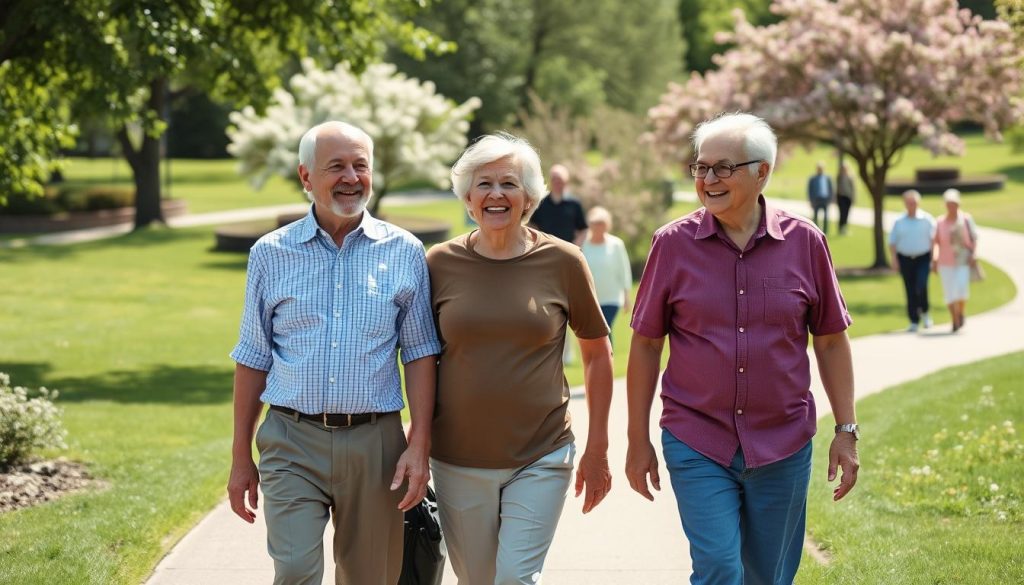
For seniors, walking is an accessible and enjoyable way to stay active, improve cardiovascular health, and maintain independence. It’s a low-impact exercise that can be adapted to various fitness levels and mobility, making it an ideal activity for older adults.
Proper Walking Form to Protect Joints
Maintaining proper walking form is crucial to protect joints and prevent injuries. Seniors should focus on keeping their posture upright, with their head level and eyes looking forward. It’s also important to land midfoot or forefoot when walking, rather than heel striking, to reduce the impact on joints.
- Keep your back straight and core engaged
- Land midfoot or forefoot instead of heel striking
- Keep your arms relaxed and bent at around 90 degrees
Nordic Walking with Poles for Stability
Nordic walking involves using poles to enhance stability and engage the upper body. This form of walking can be particularly beneficial for seniors as it helps improve balance, reduces the risk of falls, and increases the overall intensity of the workout.
Benefits of Nordic Walking:
- Improved balance and stability
- Increased cardiovascular benefits
- Enhanced muscle engagement
Indoor Walking Options for All Weather
For seniors who prefer walking indoors or need to avoid harsh weather conditions, there are several options available. Indoor malls, shopping centers, and community centers often have walking paths or clubs for seniors. Additionally, treadmills and indoor walking tracks provide a controlled environment for walking.
Indoor walking options include:
- Malls and shopping centers
- Community centers with walking tracks
- Treadmills at home or in gyms
Gentle Yoga and Daily Stretching
Gentle yoga and stretching exercises are essential for seniors looking to maintain mobility and alleviate joint pain. These practices not only improve flexibility but also contribute to overall well-being by reducing stress and enhancing balance.
Senior-Friendly Yoga Poses
Senior-friendly yoga poses are designed to be accessible and safe, taking into account the physical limitations that may come with age. These poses can be modified to accommodate different levels of mobility.
Standing Poses with Support
Standing poses, when done with support, can help improve balance and strength. Using a chair or wall for support allows seniors to safely practice standing yoga poses.
Floor Work with Modifications
For those who can get down to the floor, modifications can be made to traditional yoga poses to accommodate any stiffness or pain. Using blocks or pillows can help make the poses more accessible.
Morning and Evening Stretch Routines
Creating a daily routine that includes both morning and evening stretches can be beneficial. Morning stretches can help increase energy and flexibility, while evening stretches can aid in relaxation and prepare the body for rest.
- Morning stretches: Focus on gentle movements to awaken the body.
- Evening stretches: Emphasize relaxation and flexibility.
Adapting Poses for Arthritis and Joint Pain
For seniors dealing with arthritis or joint pain, certain yoga poses can be adapted to be more comfortable. This might involve avoiding deep bends or twists and focusing on gentle, flowing movements.
By incorporating gentle yoga and daily stretching into their routine, seniors can experience significant improvements in mobility and reductions in joint pain. It’s about finding a balance that works for each individual, making adjustments as needed to ensure a safe and beneficial practice.
Safe Strength Training for Older Adults
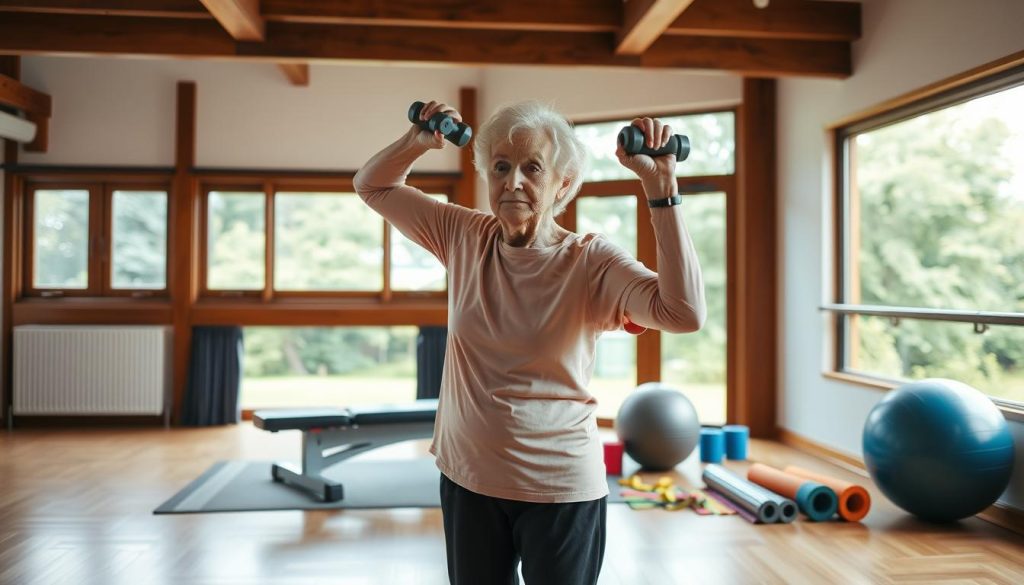
Older adults can improve their overall health and independence through safe and effective strength training exercises. As we age, our muscle mass and bone density naturally decrease, but incorporating strength training into our routine can significantly counteract this trend.
Bodyweight Exercises for Core and Stability
Bodyweight exercises are an excellent starting point for older adults, as they require minimal equipment and can be modified to suit different fitness levels. Exercises like squats, lunges, and planks help improve core strength and stability. It’s essential to focus on proper form to avoid injury. For example, a simple bodyweight squat can be done by standing with feet shoulder-width apart, then slowly lowering the body down before standing back up.
Resistance Band Workouts
Resistance bands are another versatile and safe option for strength training. They are lightweight, portable, and can be used to work out various muscle groups. Resistance band exercises can be particularly beneficial for those who are new to strength training or have mobility issues.
Upper Body Band Exercises
Upper body exercises using resistance bands can include bicep curls and shoulder presses. These exercises help maintain arm strength and improve overall upper body function.
Lower Body Band Exercises
For the lower body, resistance bands can be used for leg curls, leg extensions, and calf raises. These exercises are crucial for maintaining strength and mobility in the legs.
Light Dumbbell and Weight Training
For those who are comfortable with resistance bands, light dumbbell and weight training can be the next step. It’s crucial to start with light weights and gradually increase the load as strength improves. Proper form and breathing are key to safe and effective weight training. A quote from the National Institute on Aging highlights the importance of strength training:
“Progressive weight training can help older adults maintain muscle mass and bone density, reducing the risk of falls and fractures.”
Managing Pain During and After Exercise
Exercise-related pain can be a significant deterrent for older adults, but understanding its nuances is key. Effective pain management is crucial for maintaining a consistent workout routine and achieving overall well-being.
Differentiating Between Good and Bad Pain
It’s essential to distinguish between the discomfort associated with exercising and pain that may indicate a problem. Good pain is often described as the fatigue or burning sensation in muscles during or after exercise, which typically subsides with rest. In contrast, sharp or persistent pain can be a sign of injury or an underlying condition that needs medical attention.
Understanding this difference helps in adjusting exercise routines to avoid harm while still benefiting from physical activity.
Recovery Techniques for Joint Comfort
Implementing recovery techniques can significantly enhance joint comfort and reduce post-exercise pain. Techniques include gentle stretching, using heat or cold therapy, and incorporating rest days into the exercise schedule.
Additionally, practices like yoga or tai chi can improve flexibility and reduce stiffness, contributing to overall joint health.
Conclusion: Maintaining Lifelong Movement
As we’ve explored throughout this article, incorporating low-impact exercises into daily routines is crucial for senior health and maintaining lifelong movement. By staying active, seniors can alleviate joint pain, improve mobility, and enhance overall well-being.
From water-based exercises to chair-based workouts, and from walking to gentle yoga, there are numerous options to suit different needs and abilities. The key is to find activities that are enjoyable and manageable, allowing for a consistent routine that promotes maintaining activity throughout life.
By adopting these exercises and making physical activity a priority, seniors can take control of their health, improve their quality of life, and support lifelong movement. It’s never too late to start, and every step counts towards a healthier, more active life.